
Verify the source
Confirm the exact source, domain, and software identity before opening any installer. Keep unverified links out of your setup process.
Install and Verify the Source ↗A clearer way to explore a self-custody wallet: local keys, recovery planning, multi-chain assets, and transaction reviews.
Explore the getting-started guide ↗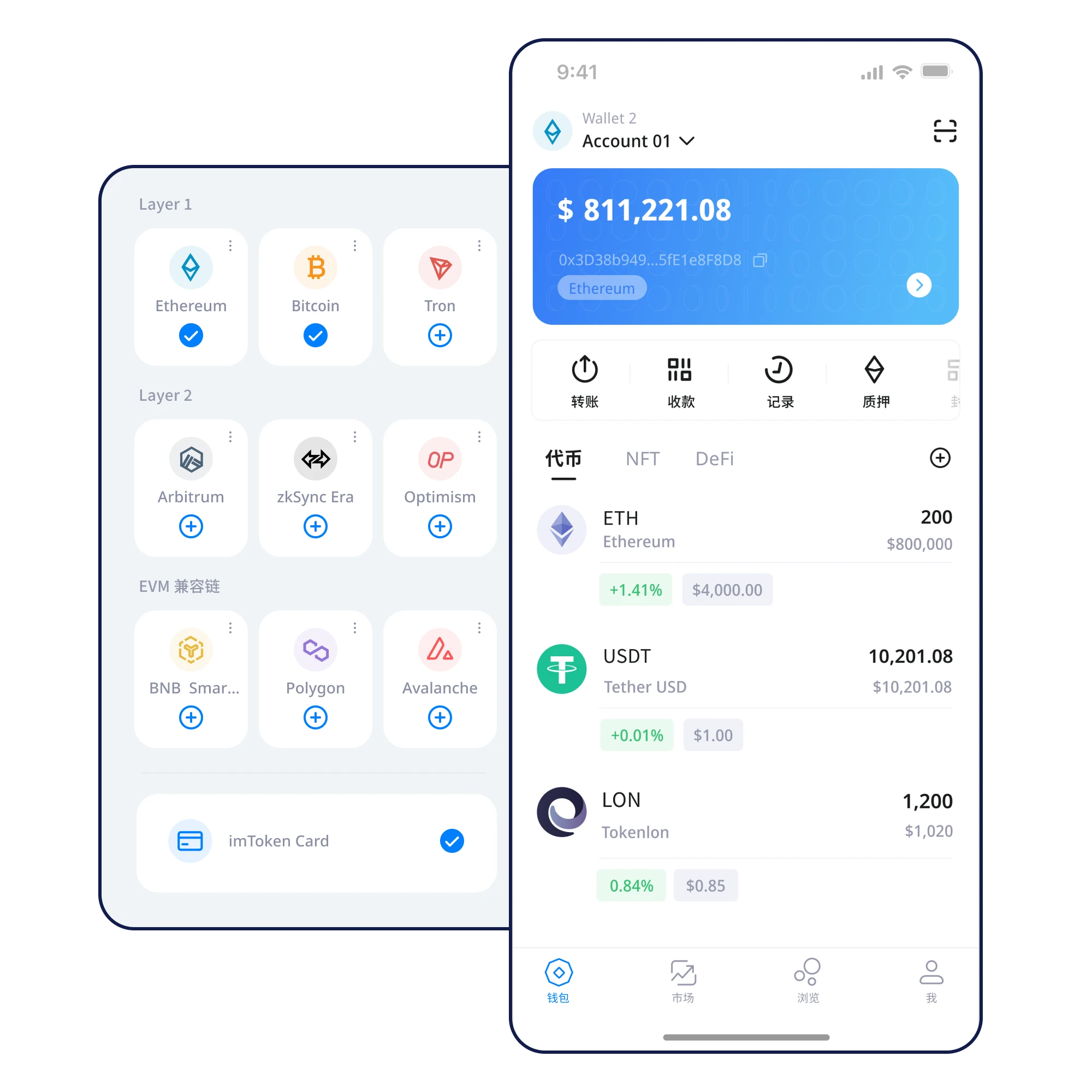
An asset list is useful only when the underlying network is clear. Review the chain, recipient, and fee before any transfer.
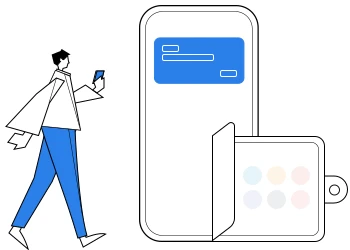 Explore asset management ↗
Practical checks at every stage, with no shortcuts around recovery planning or transaction review.
Confirm the exact source, domain, and software identity before opening any installer. Keep unverified links out of your setup process.
Install and Verify the Source ↗Choose between creating and restoring a wallet. A new wallet needs a new offline backup; importing requires a verified existing phrase.
Create Your First Wallet ↗Keep recovery words private, in the original order, with no screenshots or cloud sync. Anyone with the phrase may access the wallet.
Back Up Your Recovery Phrase ↗Check every written word and secure the copy separately from your phone. Plan how you would recover if the device were lost.
Back Up Your Recovery Phrase ↗Match each token to its network and distinguish interface balances from confirmed on-chain records.
Manage Assets Across Networks ↗Check the receiving network, full address, amount, fees, and permissions. When in doubt, cancel before signing.
Check a Transfer Before Signing ↗Understand where wallet credentials are stored and why an offline recovery copy matters if your device fails.
Use a trusted environment when restoring access, and enter your phrase only in a recovery flow you have verified.
Alerts provide useful context, but your review of the destination, permissions, and network remains essential.
Keep your wallet credentials under your own control.
Review the chain, recipient, and amount before signing.
Prepare a private offline backup before you need it.
Explore a topic at your own pace, from first setup to recovery.
Understand the difference between creating and importing a wallet before setting up a new one and arranging a secure backup.
Read guide ↗Distinguish assets, chains, and token networks before reviewing balances or preparing a transfer.
Read guide ↗Transfers may be irreversible. Review the blockchain network, destination, asset, and amount before approving.
Read guide ↗Move wallets to a new device by confirming your backup first, rather than sending sensitive credentials between devices.
Read guide ↗Fake sites, urgent messages, and suspicious signing prompts can all be attempts to steal wallet access.
Read guide ↗Your recovery phrase can restore wallet access. Treat when, where, and how you record it as a security-critical task.
Read guide ↗Look out for imitation installers, phishing pages, exposed recovery phrases, wrong networks, and unexpected approvals.
Spot phishing attempts ↗Self-custody means you retain responsibility for recovery credentials. Verify any specific product implementation independently rather than trusting marketing claims.
Viewing on-chain data and broadcasting transactions normally require connectivity. Recovery phrase storage should remain offline where practical.
Write the words in order on an offline medium. Avoid screenshots, cloud drives, email, and chat messages; never share the phrase.
Private keys authorize account operations. A recovery phrase can restore derived keys, so both require strong protection.
Verify the source before installing. Back up before transferring. Check before signing.
⬇ Download Now